An Anthropological Look at Neuroinflammation in Autism
A Monthly Game Club
As a part of my monthly children’s game club I host, I regularly work with children with mental disabilities, such as Autism Spectrum Disorder (ASD). It’s evident that every child communicates and processes the world, meaning that ASD cannot be reduced to a few stereotypes; however, traditional evaluations rely heavily on behavioral observations rather than concrete biological markers. As a result, social misconceptions fill the space where there is a lack of scientific answers. Therefore, biomedical research on neuroinflammation would shape the social understanding of ASD by decreasing the amount of supernatural explanations and allowing screening to be unbiased.
The Biology Behind
ASD is a neurodevelopmental disorder characterized by behavior abnormalities, social impairments, and communication deficits. Consisting of restrictive and repetitive behaviors, ASD appears in 1 in 44 children. Even so, the etiology of ASD remains unknown, as there is no set of genes that have been identified in the majority of ASD cases.
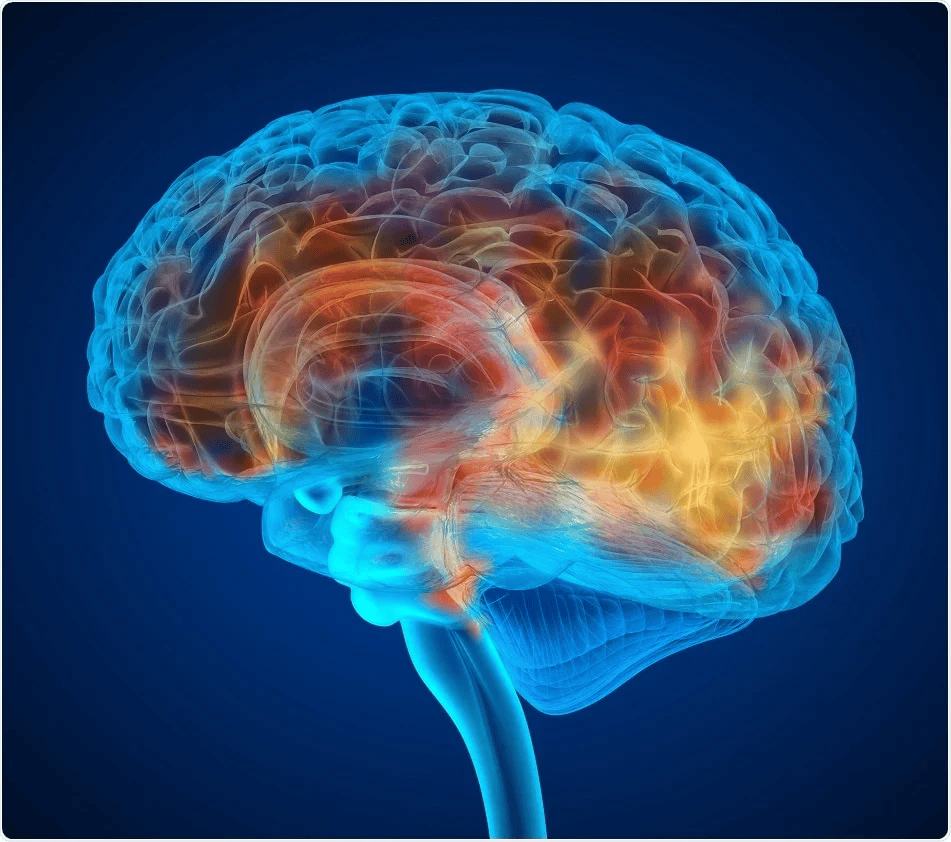
Neuroinflammation is the interaction between immune and neural systems. Immune cells enter and activate within the central nervous system, making neuroinflammation a hallmark feature of the majority of neurological disorders. The body is inflamed when it perceives an external threat or debris. Chronic neuroinflammation becomes harmful rather than helpful. Healthy neurons can get damaged and the blood brain barrier can get compromised.
Connecting the Two
As mentioned previously, the etiology of ASD remains unknown; however, there are multiple hypotheses that suggest that neuroinflammation may be involved in the root of ASD. In ASD, there is repeated evidence of immune dysfunction, with further dysfunction associated with worsening symptoms. Specifically, circulating myeloid cells and brain resident microglia are evident in both human and animal models of ASD. Additionally, there are many genes that are associated with ASD, and several of these gene variants converge onto inflammatory pathways, including the MTOR and PTEN genes. An association has also been found between maternal neuroinflammation during gestation and ASD in offspring, suggesting that maternal inflammation may priming the fetal immune system, leading to future neural dysfunction.
Cultural Interpretations
Research for ASD is prioritized in high income countries. Inversely, in low and middle income countries, there is a strong lack of proper screening and diagnostic equipment. As the majority of high income countries are in the West, screening instruments for ASD are most likely to be culturally biased. But why does a bias matter in the case of ASD? According to the DSM5 diagnostic criteria for ASD, the broad domain, consisting of persistent deficits in social skills, is found globally across different ethnic groups. However, subtle differences may appear within different cultures.
First off, different cultures can interpret the same behavior as either a strength or a deficit. For example, in Western cultures, a lack of eye contact is a common symptom that is viewed as a deficit. However, in cultures where direct eye contact is considered impolite, atypical eye contact may be considered a deficit rather than a lack of eye contact. Additionally, in some Eastern cultures, it is believed that boys will start to speak later than girls. Thus, even if there is a speech delay in some children, it could be shrugged off and delay when ASD is recognized.
There is also a difference in the symptoms of the children among different cultures. In an early study of autism in African children, it was reported that most children in this sample did not present with hand flapping or rocking, compared with American children. Routines and inappropriate object attachment were also more prevalent within the American children. Similarly, in a study among Latino and American participants, Latino participants had lower levels of repetitive and ritual-like behaviors.
Culture may also affect the popularity of certain explanations of ASD. In North America, there is a prevalent belief that vaccines can cause autism, and this belief is particularly popular in Somali communities in North America. Somali populations view ASD as the “Western disease” as they believe the disorder does not exist in Somalia and its root is the diet and environment exposures, such as antibiotics in food production. The Somali population in North America is not the only group of people with differing beliefs as to what the cause of ASD is. The majority of mothers in a Jewish ultraorthodox sample in Israel reported that they believe that a child with ASD is due to a curse, sin, or punishment from God. Additionally, in Pakistan neurodevelopmental disabilities are commonly believed to be the will of Allah, and caring for a child with ASD is a divine duty that will be rewarded in the afterlife. In African countries, explanations behind ASD include witchcraft and the evil eye.
However, explanations for ASD are not limited to solely supernatural reasons in most cultures. In a study done in Ethiopia, caregivers provided both a biological and supernatural explanation for ASD in a child. In many studies, there is a common thread of communities blaming and putting guilt on the parents, particularly mothers, for a child with ASD.
The Power of Research
Even though the etiology of ASD is still unknown, researching neuroinflammation could be the next steps in discovering the reason behind ASD. There are many different cultural interpretations of ASD, with both symptoms and interpretation of those symptoms differing country to country. As research on neuroinflammation in ASD increases, it shapes the social understanding of ASD. As research increases, there will be less supernatural reasoning for mental disorders and an increase in suitable screening and care without bias. Through neuroinflammation research, we hold the flame to change the lives of ASD around the world.
Sources:
- Neuroinflammation across neurological diseases (Shi et al, 2025)
- Neuroinflammation: What Many Brain Diseases Have in Common (2025)
- a conceptual framework for understanding the contextual factors on autism across the world
- Neuroinflammation and Oxidative Stress in the Pathogenesis of Autism Spectrum Disorder (Usui 3)
- Innate immune dysfunction and neuroinflammation in autism spectrum disorder (Hughes et al, 2023)


Leave a Reply