How The Hippocratic Revolution Influenced Modern Medicine
A Historical Oath
When I was 14, I took my first medical class in high school. It was a medical terminology class, where we learned the basics of medicine and medical jargon. Before we had even learned one word, my professor gave us homework – to read the Hippocratic Oath. The Hippocratic Oath is an ethical pledge said by doctors, promising to do no harm and make their best effort to help their patients. The famous oath was written by Hippocrates, who is also credited with writing the Hippocratic Corpuses and influencing the Hippocratic Revolution in Ancient Greece. The Hippocratic Revolution shifted medicine from supernatural explanations toward observational reasons for disease, establishing ideas that significantly influenced modern medicine.
Who Was Hippocrates
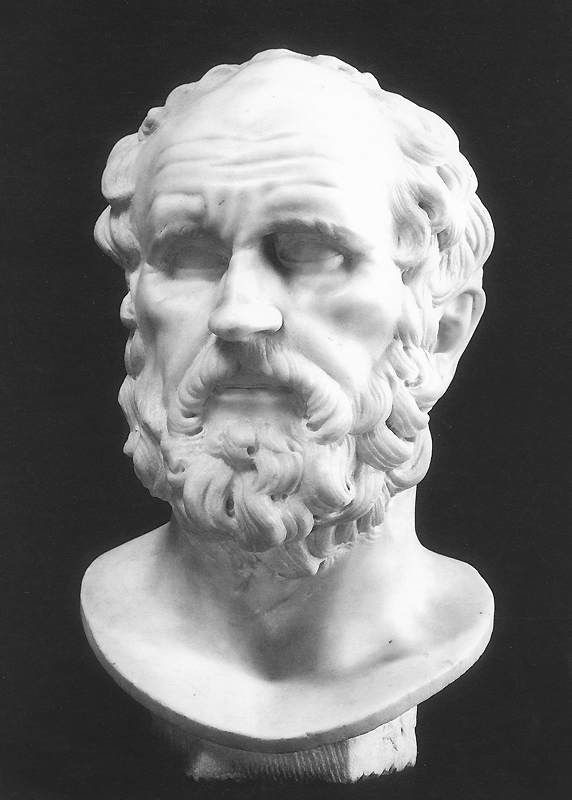
Born in 460 BC, Hippocrates revolutionized the way the Greek practiced medicine and set up the foundation for modern practitioners. Commonly known as the Father of Modern Medicine, Hippocrates was influenced by epidemics during his lifetime, such as the Plague of Athens during the Peloponnesian War. He practiced a holistic approach to medicine, highlighting the importance of balance. Hippocrates preached the idea of humorism, bestowing his knowledge on the four humors upon his students. During his time period, religion and medicine were extremely interconnected. Disease was explained through supernatural causes and rituals at temples, such as temples of Asclepius, were performed in aim of curing individuals. Through the writing of the Hippocratic Corpuses, Hippocrates challenged the idea that religion and medicine were interconnected, instead arguing that disease was caused by pathological issues.
The Revolution in Medicine
The Hippocratic Revolution marked a shift in medical thinking, where practitioners began to ask questions rather than jump to supernatural reasoning. The Hippocratic Corpuses, written by Hippocrates and his students, laid the foundation for the Hippocratic Revolution, including theories about disease that led to the development of modern science. For example, “On The Sacred Disease” is a treatise within the Hippocratic Corpuses, explaining the pathology behind epilepsy. The treatise explains that the disease has a physical cause within the body, specifically involving the brain. The explanation was not correct by modern science; however, the treatise highlights the shift in medical thinking and search for observable causes in disease.
During the Hippocratic Revolution, physicians began to ask about environmental and lifestyle factors in order to come to a diagnosis, creating a more individualized experience. The Hippocratic Revolution also introduced observation as a part of clinical diagnosis. Recording factors such as temperature, breathing, and bodily waste allowed for practitioners to develop more specific diagnoses for patients. Preventative medicine also became a focus of the Greeks. The Hippocratic Revolution emphasized the importance of diet, sleep, and exercise, laying the foundation for modern preventative medicine. The Hippocratic Oath, a pledge said by doctors to this day, was also developed during the Hippocratic Revolution. Meant to uphold ethics in medicine, the Hippocratic Oath underlines responsibilities those in the medical field have, such as avoiding harm, maintaining confidentiality, and behaving appropriately towards patients.
Hippocrates in Anthropology
It is clear that the Hippocratic Revolution was a significant time period, influencing the world of modern medicine. But how does it relate to medical anthropology? Medical anthropology studies how different cultures understand health, illness, disease, healing, and the body. The Hippocratic Revolution can be viewed as an early example of people trying to understand illness by looking at the relationship between the human body, environment, behavior, and society. It demonstrates that medicine is culturally influenced, as it was the Greeks that created a new way of thinking within medicine. By marking the shift away from supernatural reasoning and towards modern biology, Hippocrates is a prime example of how medical anthropology influences modern clinical practice. As shown by Hippocrates, to influence the past is to create the future.
Sources:
https://pmc.ncbi.nlm.nih.gov/articles/PMC11526839
https://www.youtube.com/watch?v=WHj-FQCdW24


Leave a comment